
PROPERTY MANAGER RESOURCE · DALLAS–FORT WORTH
Commercial Roof Asset Planning in Dallas–Fort Worth
For managers of low-rise retail, offices and stand-alone commercial properties, a useful roof plan connects current conditions with the next decision. Keep a documented baseline, sort findings by priority, and carry repair records forward so ownership can see what changed.
Velco’s commercial Roof Condition Reports help organize that conversation with dated photographs, findings by roof area and recommended next steps. Commercial scope is tailored to the property.
Read the commercial sample findings online
The five-page sample follows an anonymized low-rise retail property with a modified-bitumen roof. Its findings are specific to that assessment, rather than a standard scope or replacement recommendation for every building.
- Executive assessment: Standing water and open laps were documented at the surface. Test openings exposed saturated insulation, corroded fasteners and deteriorated steel decking; interior photographs recorded water damage.
- Roof surface: Photographs show disconnected condensate drainage, a low or soft area, an open membrane overlap and an opening at the rear roof edge.
- Test openings: Selected cores show wet insulation, rusted fasteners and steel-deck deterioration, including a visible opening. These findings apply to the sampled locations.
- Inside the building: Ceiling staining and corrosion on the underside of the deck connect the roof observations with conditions visible below.
- Recommendations: Address active leaks, condensate drainage and documented openings promptly. The original assessment recommended planning replacement within 0–12 months, evaluating affected deck areas and performing deck pull testing before replacement.
Accessible areas and selected test openings cannot establish every concealed condition. Timing reflects the conditions observed in this example; pricing is separate. The public sample is an illustration, not a proposal, contract or warranty.
1. Build a baseline the next manager can use.
Start with one record for each property and identify distinct roof areas or buildings. Include the roof system if known, earlier reports, leak locations, prior repairs, warranty documents and the site contact who can arrange access.
Ask the report to distinguish observed conditions from areas that could not be accessed or need further investigation. An overview photograph and close-up should tell the same story: where the condition sits and what deserves attention. A roof’s age is useful context, but it does not replace a condition assessment.
2. Separate urgent work from monitoring and budgeting.
Address now: Identify findings needing prompt attention and the proposed next action. Record whether water is entering, which tenant spaces are affected and who can authorize work.
Monitor: Name the condition to recheck, its location and what further information is needed. Carry the same photo locations into later visits when practical.
Budget for: Define larger repair or replacement options with enough scope to compare them. Keep uncertain quantities and concealed conditions visible instead of treating an early allowance as a fixed proposal.
3. Close the record after every visit.
A useful visit record includes the date, roof areas reviewed, access limitations, photographs, completed work and recommended follow-up. For a repair, retain the location, materials used and any remaining investigation or permanent work.
When rooftop equipment is added or serviced, keep the contractor’s work record with the roof history. Note any reported changes at curbs, penetrations, drainage paths or nearby roof areas so they can be reviewed during the next visit.
4. Make a leak request specific.
Send the property address, affected suite or room, when the problem began, whether water is entering now, and any tenant photographs or earlier repair records. Add the site contact, roof-access arrangements, reporting recipient and approval process.
Arrange roof access through the responsible site contact and an experienced roofing contractor. For water entering now, call 817-807-0775. For planned work, request a commercial Roof Condition Report.
5. Plan around the occupied property.
Before work begins, discuss entrances, staging, affected tenant spaces, work hours, rooftop equipment and weather exposure. Identify who will notify tenants and who approves changes if concealed conditions alter the scope.
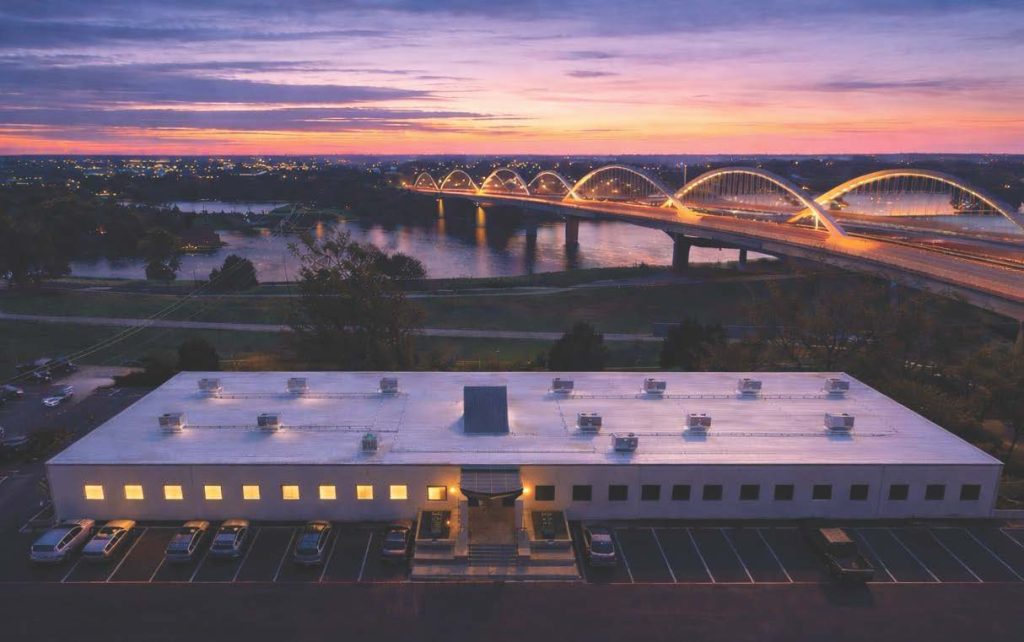
At The Woodmont Company headquarters in Fort Worth, Velco replaced damaged gypsum deck panels one at a time and coordinated roofing, HVAC, electrical and plumbing work while the office stayed open during normal business hours. That project shows why work sequencing belongs in the plan alongside the selected roof system.
6. Turn findings into a budget conversation.
Keep immediate corrective work, planned maintenance and larger capital work separate. Ask what each option includes: deck or insulation repairs, drainage, flashings, equipment coordination, access and property protection, as applicable.
Use project facts to frame questions rather than assume the same assembly suits every building. Diesel Works used a TPO retrofit over an existing metal roof; Custer Crossing in McKinney received a 60-mil TPO reroof. Repair, recover and replacement options depend on the actual roof conditions and proposed assembly.
Keep the next step clear.
End each review with a named action, the person who can approve it and an agreed follow-up. Revisit priorities when a new leak, storm event, repair or equipment change adds information to the record.
Review commercial roof care and read commercial roofing FAQs. The sample report shows the format; your property’s scope and any applicable fee are discussed before the visit.