DALLAS–FORT WORTH

COMMERCIAL ROOFING

Property Management & Asset Management Specialists

Leak repair, preventive maintenance, and TPO roofing for low-rise commercial properties across Dallas–Fort Worth.

Get dated roof photos, findings by location, and clear priorities you can share with ownership.

View sample Roof Condition Report (PDF)
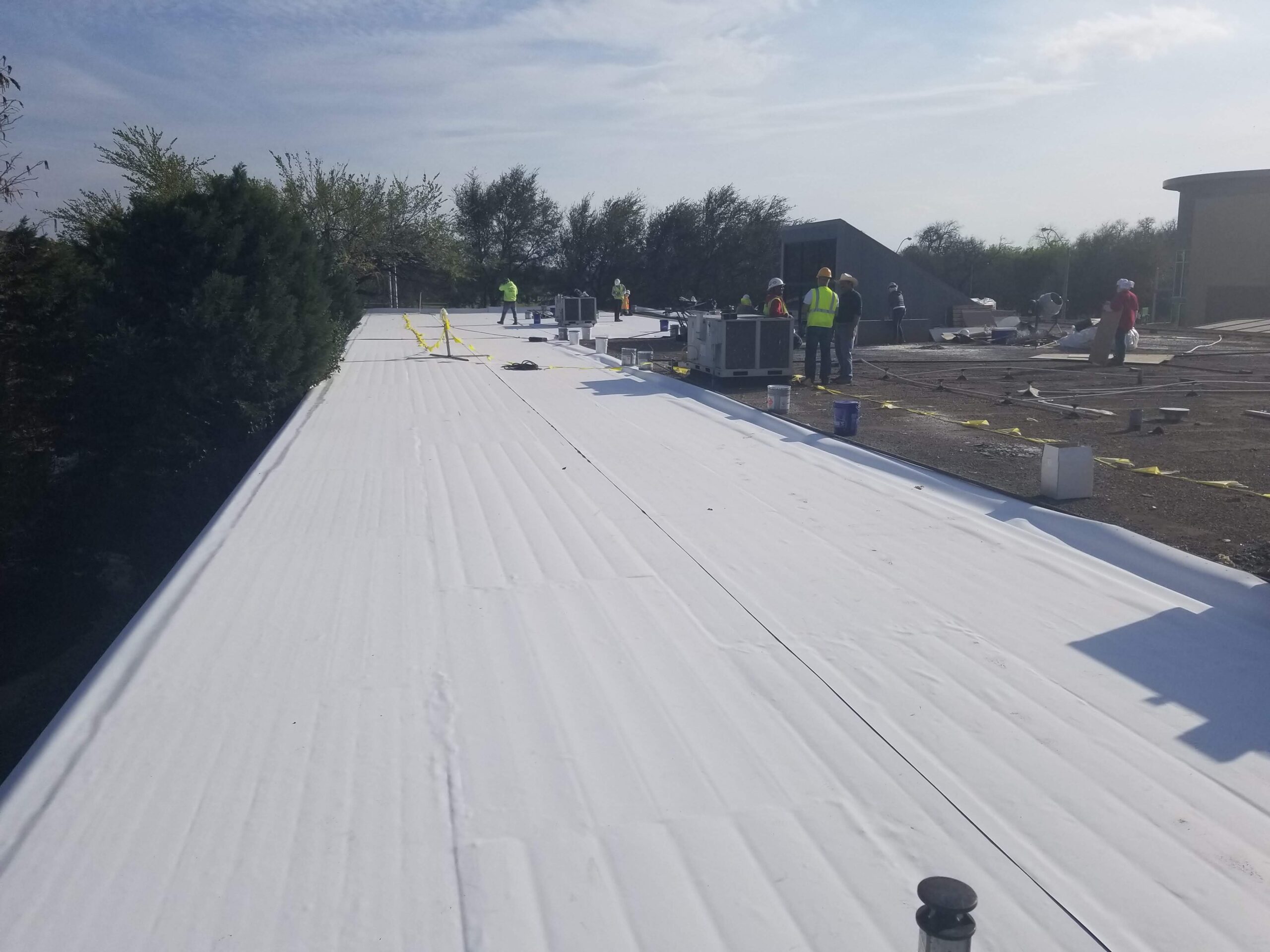
The Woodmont Company headquarters commercial roofing project in Fort Worth, Texas
The Woodmont Company • TPO installation
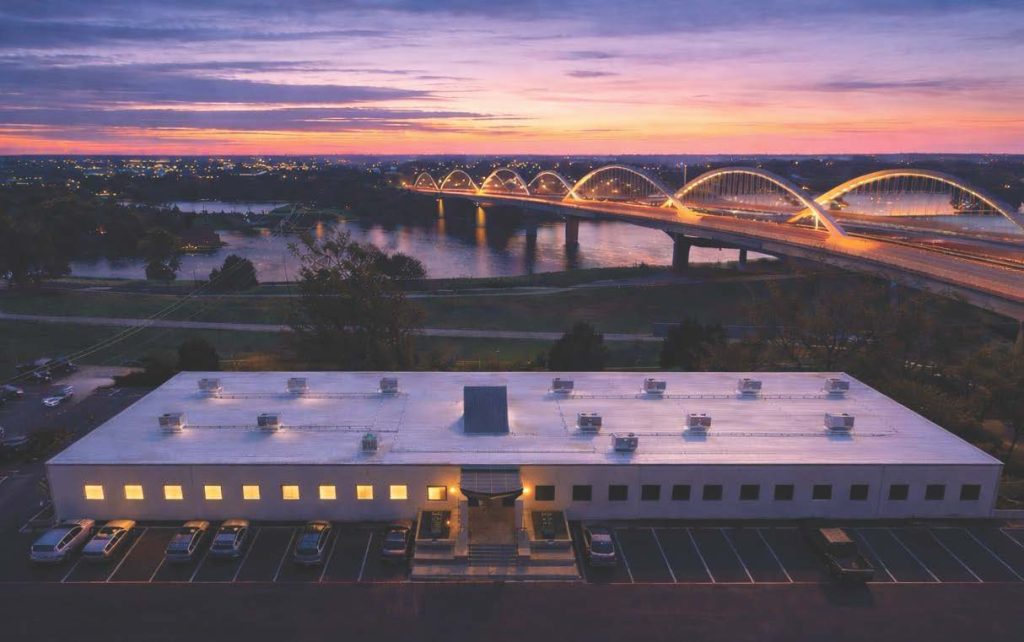
The Woodmont Company headquarters in Fort Worth at dusk
The Woodmont Company corporate office · Fort Worth, TX

Featured commercial project

The Woodmont Company

The Woodmont Company develops, brokers, and manages commercial properties nationwide from its Fort Worth headquarters. After hail damage, Velco coordinated roofing, HVAC, electrical, and plumbing work so the Fort Worth office could stay open during normal business hours.

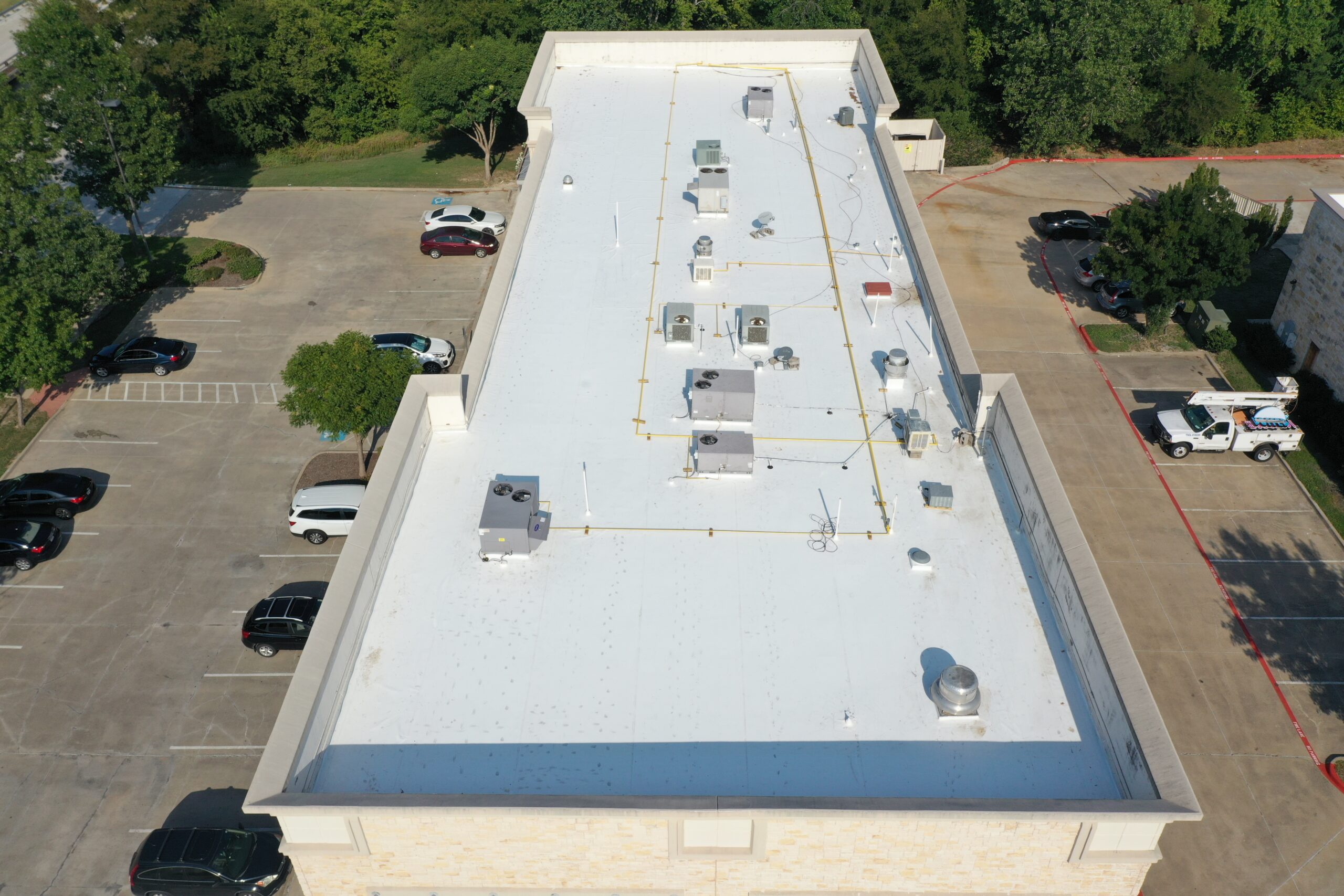
Roof leaks had deteriorated portions of the existing gypsum deck. Velco replaced the damaged panels one at a time, then installed 4 inches of polyisocyanurate (polyiso) insulation and a fully adhered 60-mil GAF TPO membrane.

Property
Corporate office · Fort Worth, TX
Scope
Hail-damage restoration and reroof
Roof system
Fully adhered 60-mil GAF TPO

See how Velco kept the Woodmont office open during reroofing

Browse commercial roofing projects

School reroof · Fort Worth, Texas

Fort Worth Academy

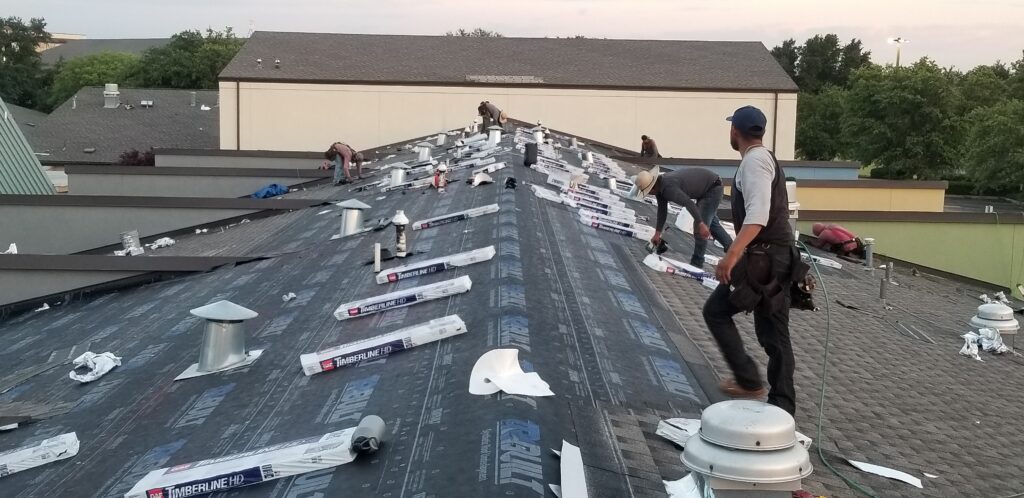
Velco completed a composition shingle reroof at Fort Worth Academy following hail damage. The aerial shows the campus after the reroof, alongside a view of the crew during installation.

View the Fort Worth Academy project
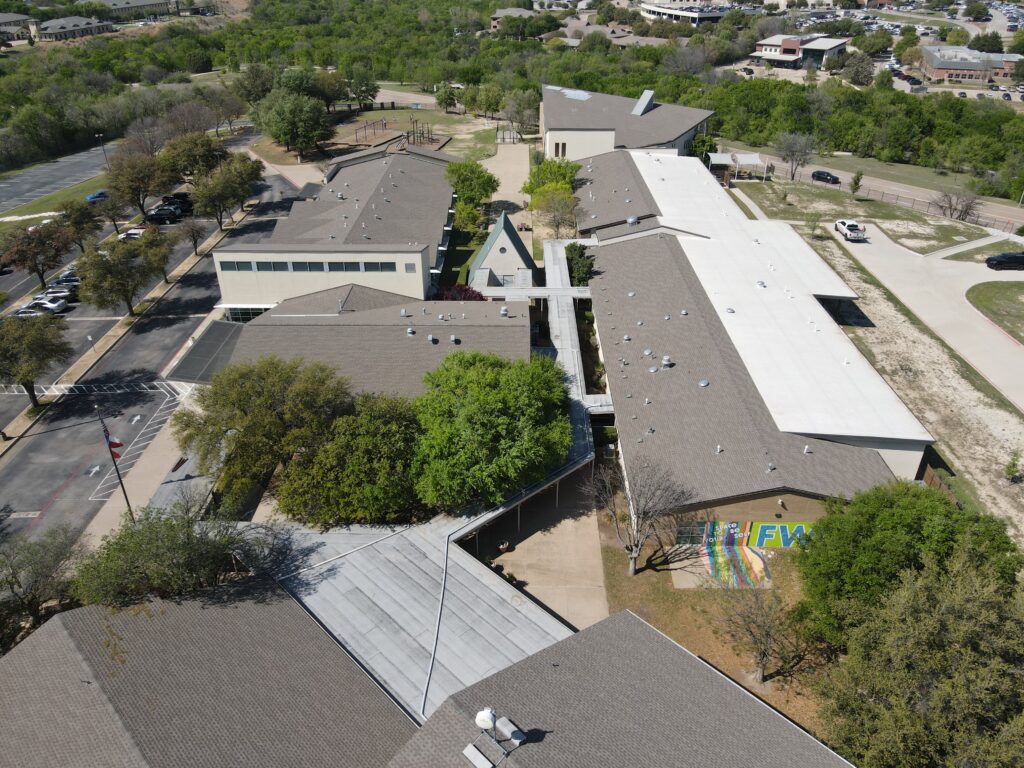
Aerial view of the finished shingle roofs at Fort Worth Academy
Fort Worth Academy campus after the reroof
Roofing crew working on the Fort Worth Academy roof
Reroof in progress

How Velco works with property managers

From the first leak call to the next budget decision.

  1. 01 / INTAKE

    Tell us what’s happening

    Share the property address, affected tenant space, access instructions, and whether water is entering now. We’ll confirm who should receive updates.

  2. 02 / SITE VISIT

    Coordinate access and investigate

    We review reported conditions and coordinate roof access with your site contact. If the leak path is unclear, we explain what needs further investigation.

  3. 03 / FOLLOW-UP

    Document the next decision

    Get photos, findings, and recommended priorities so you can brief ownership and separate urgent repairs from planned work.

Occupied properties

How we protect your property during roofing work

Plan around the people inside

We coordinate access, staging, and work hours with your site contact so tenants and staff know which areas will be affected.

Protect the work area

We plan protection around entrances, walkways, and sensitive interiors. We also discuss what gets opened, when it can be closed, and how weather could change that sequence.

Keep management informed

We document relevant conditions and communicate changes so you can brief ownership and coordinate with tenants.

The Woodmont Company headquarters

Velco replaced water-damaged roof deck panels one at a time and coordinated with HVAC, electrical, and plumbing contractors so the Fort Worth office could stay open during business hours.

See how Velco reroofed the occupied Woodmont office

Saint Joseph Church & School

Scaffolding and protective measures supported work around school operations and Sunday services. In the chapel, specialized equipment gave the crew access to the vaulted ceiling above antique pews while working around the pipe organs.

See the Saint Joseph restoration
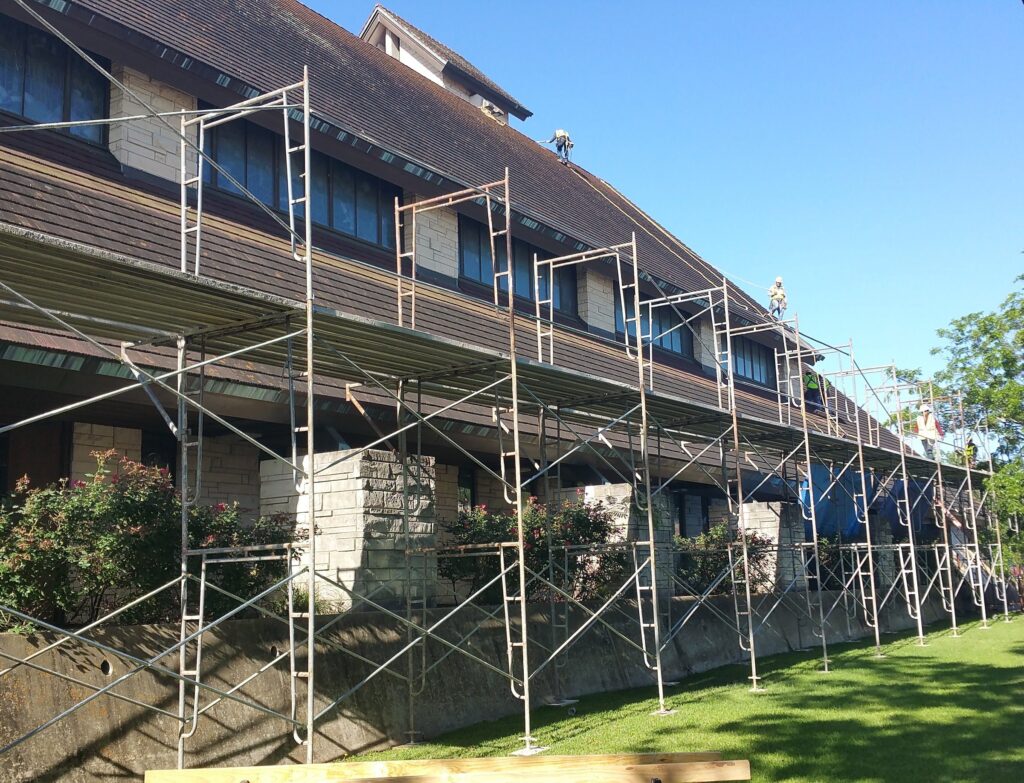
Scaffolding at Saint Joseph Church during roof restoration
Saint Joseph Church & School · Bryan, Texas

Find and repair roof leaks

Identify the likely entry point before prescribing the repair.

Typical initial response: 1–2 hours. A Velco team member calls, texts, or emails to confirm your request and explain the next step.

First site visit. Maintenance customers receive priority 24-hour response. We confirm site-visit timing with your property contact, based on access, scope, and weather.

Start inside. We locate leaks or stained ceiling tiles and check the underside of the roof deck where accessible. Water can travel before it drips, so these clues guide the roof investigation.

Trace it on the roof. We check likely entry points at seams, flashings, curbs, drains, and prior repairs. We photograph findings and start the Roof Condition Report.

Repair or coordinate follow-up. We make repairs on the first visit when feasible. For further work, we coordinate access and scheduling with property management and affected tenants.

Before you call, gather the suite number, when water appeared, and who can arrange access. Use the commercial roof leak request checklist to prepare your handoff.

Plan preventive maintenance

Know what changed and what to schedule next.

What we check. We look for blocked drainage, open seams, and deteriorating flashing around roof edges and equipment curbs.

What you get. A visit record shows what was completed, what still needs attention, and what to schedule or budget for next.

See what the spring roof review covers

Read the commercial roof asset planning guide

Compare commercial roof repair, TPO recover and replacement

TPO & LOW-SLOPE ROOF SYSTEMS

When to repair, recover, or replace a low-slope roof

For a TPO roof, we look at welded seams, flashing, drainage, and how the membrane is secured. The condition of the insulation and deck helps determine which options make sense.

Repair. Address a localized issue, such as an open seam, when the surrounding roof can support a lasting repair.

Recover. Install a new roof system over the existing one when conditions allow. Trapped moisture or deteriorated materials can rule this out.

Replace. Remove the existing roof system when widespread deterioration or damage below the membrane requires access to the insulation or deck.

Custer Crossing commercial TPO roof restoration in McKinney, Texas
Custer Crossing • McKinney, Texas
WOODMONT PROPERTY MANAGER REFERRAL · McKINNEY, TX

Custer Crossing

A Woodmont property manager asked Velco to evaluate the roof. We identified hail damage, and the property team submitted a claim. Following about a year of negotiations between Woodmont’s public adjuster and the insurer, Velco returned to install a 60-mil TPO roof.

Roof systems & maintenance

What to look for on your roof

TPO single-ply

How to recognize it. Often a light-colored membrane with welded laps. Confirm the system from roof records or a closer assessment.

What we check. Seams, penetrations, edge details, drains, and prior patches.

What changes the decision. Whether damage is localized and whether the surrounding membrane and underlying assembly can support a repair.

Modified bitumen

How to recognize it. Asphalt-based sheets laid in courses, often with a granulated surface.

What we check. Laps, surface wear, ponding areas, penetrations, and previous repairs.

What changes the decision. Whether deterioration is limited to the surface or moisture has reached the insulation or deck.

Metal roofing

How to recognize it. Formed panels with raised seams or exposed fasteners, depending on the system.

What we check. Seams, flashings, sealants, corrosion, and fasteners where exposed.

What changes the decision. Whether the concern is confined to one detail or affects multiple panels, seams, or transitions.

For each visit, ask for dated photos by roof area, a list of completed work, and recommended follow-up items with priorities.

See why Velco chose a TPO retrofit over the existing metal roof at Diesel Works

Sample report · Low-rise retail

Inside a Commercial Roof Condition Report

See how roof photos, test openings, and interior findings inform repair priorities and replacement planning. This anonymized sample includes five pages and 10 field photos. No form or sign-in is required.

Example from the report. A field photo shows a probe at an opening in a membrane overlap. The photo gives ownership a specific location to discuss when deciding whether to investigate further or scope a localized repair. The same page shows standing water beside rooftop equipment and an opening along the rear roof edge near the gutter.

  • Address now — Use the photos and location notes to brief ownership on findings that need prompt attention.
  • Monitor — Record what to recheck and flag any areas that need further investigation.
  • Budget for — Use the findings to plan larger repairs or replacement.
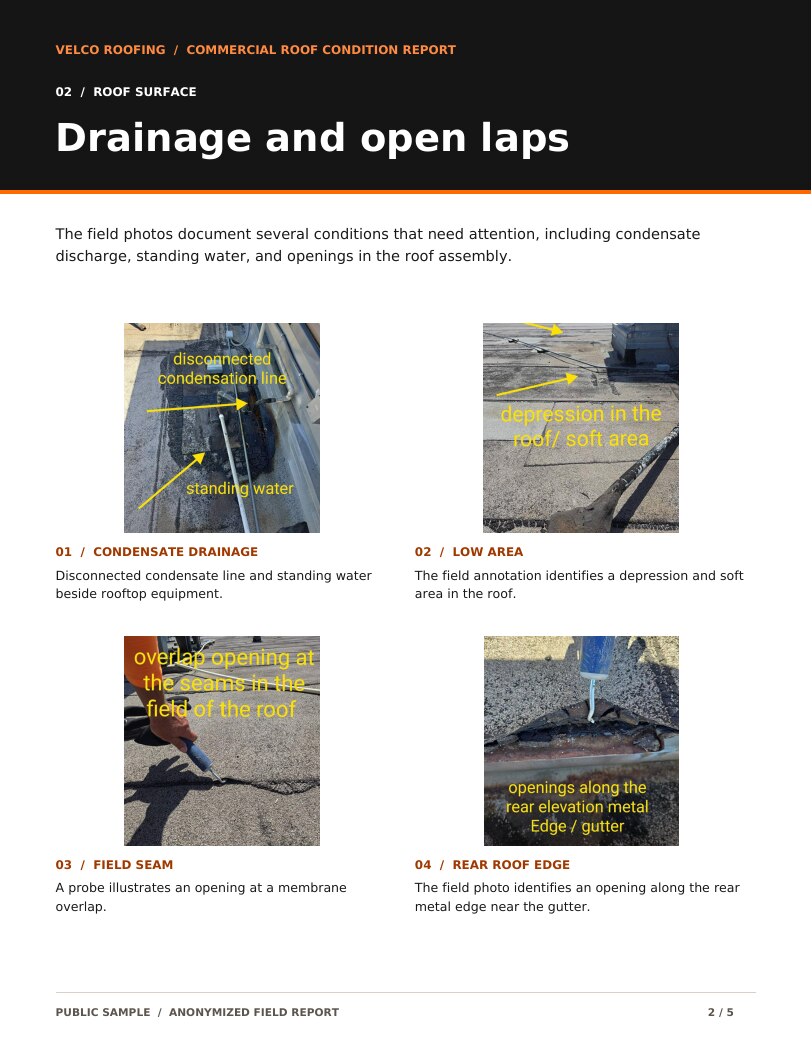
Sample report page showing four annotated roof photos of drainage issues and open membrane laps
Page 2 of 5. Annotated field photos show drainage conditions and openings at membrane laps and the roof edge.

Document storm damage

Get photos and a written roofing scope.

After hail or wind, we document visible conditions affecting membranes, edge metal, flashings, rooftop components, and drainage assemblies.

Owners receive photographs and roofing scope information. Coverage and claim decisions remain with the insurer and policyholder.

Storm documentation

What we look for after hail or wind

Surface and impact clues

We document visible marks, displaced surfacing, dents, or splits where present. On modified bitumen, we look at the surface and determine whether further evaluation is warranted.

Roof edges and transitions

We look at the perimeter, seams, flashings, and equipment curbs for openings, displacement, or changes that need closer examination.

Context before conclusions

We pair close-ups with wider photos and record the roof area, condition, and any further checks needed. A surface mark alone doesn’t establish the cause or the repair scope.

See labeled field photos on the Storm Damage page

Technical reference on evaluating hail impacts on modified bitumen

Commercial roofing FAQs

Maintenance, repair, and replacement

Frequency depends on roof type, age, exposure, manufacturer guidance, and site conditions. Severe weather or a known leak may call for an additional review.

Localized defects can often be repaired when the surrounding membrane and substrate remain serviceable.

Repair is worth evaluating when the problem is localized, such as an open seam or a flashing defect, and the surrounding roof can support a durable repair.

Replacement becomes more practical when failures recur across several areas or when investigation finds widespread deterioration, wet insulation, or deck damage. Review the leak history, the condition of the underlying roof, and how much disruption repeated repairs create for tenants.

Ask for photos by roof area and a written explanation of what needs attention now, what can be monitored, and what to budget for. See the sample Roof Condition Report.

A useful report ties dated photos to specific roof areas and records what was observed, what work was completed, and any limits on access or investigation. It should give ownership a clear list of what to address now, monitor, and budget for.

See the sample Commercial Roof Condition Report.

Commercial roofing by service area

Explore commercial roofing services for Dallas and Fort Worth, with documented regional projects and practical guidance for property managers.

Request a commercial Roof Condition Report

Tell us what’s happening at your property.

Start with the property address, the affected suite or roof area, whether water is entering now, and who can arrange roof access.

If you have them, note when the issue started, whether it has happened before, and where prior repairs were made. Tenant photos and earlier roof reports can help us compare what changed. Read commercial and specialty roofing FAQs.

What happens next. We review your request and coordinate access with your site contact. Most reports are free. If the property size or depth of the requested review calls for a fee, we’ll discuss it before scheduling.