
DALLAS–FORT WORTH
STORM DAMAGE ROOFING
Document the damage. Then protect the roof.
After hail or wind in Dallas–Fort Worth, Velco’s first priority is to photograph visible roof damage before it’s covered, when it’s safe to do so. Our second priority is to help prevent further water damage with temporary protection where needed.
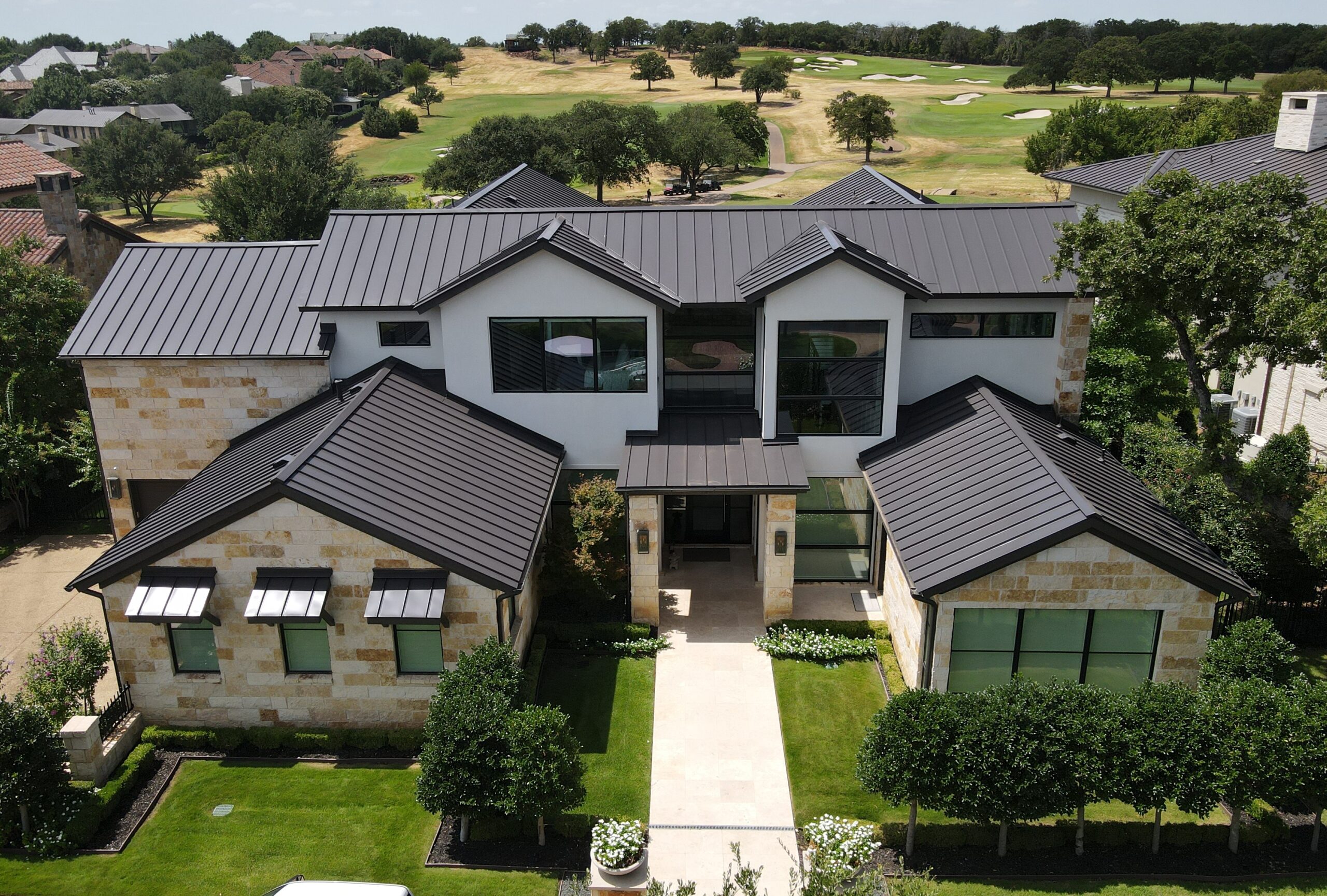
FROM STORM CONCERNS TO A CLEAR SCOPE
01 · TELL US WHAT CHANGED
Tell us the property address, when the storm hit, and where you’re seeing damage or water. If water is coming in now, call Velco and tell us which rooms or tenant spaces are affected.
02 · DOCUMENT BEFORE COVERING
When it’s safe, we photograph visible damage before temporary protection goes on. Wide shots show where the damage is, and close-ups show what was found.
03 · PROTECT AND PLAN
Where temporary protection is needed, we discuss how to limit further water entry. Your Roof Condition Report records the findings and explains whether to repair, investigate further, or plan for replacement.
WHAT A ROOF CONDITION REPORT SHOWS
- Roof materials and accessible areas reviewed
- Visible damage and other relevant roof conditions
- Photographs tied to findings
- Flashings, transitions, drainage, and related components
- Recommended next steps and any limits on the review
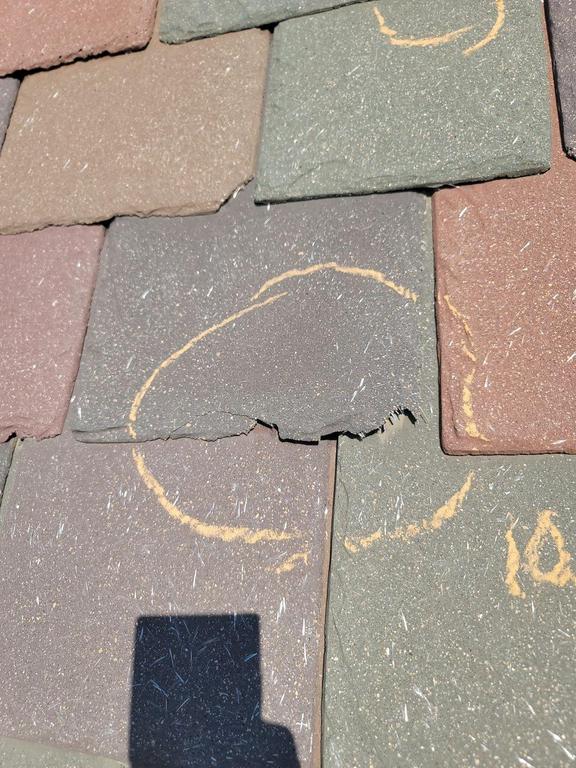
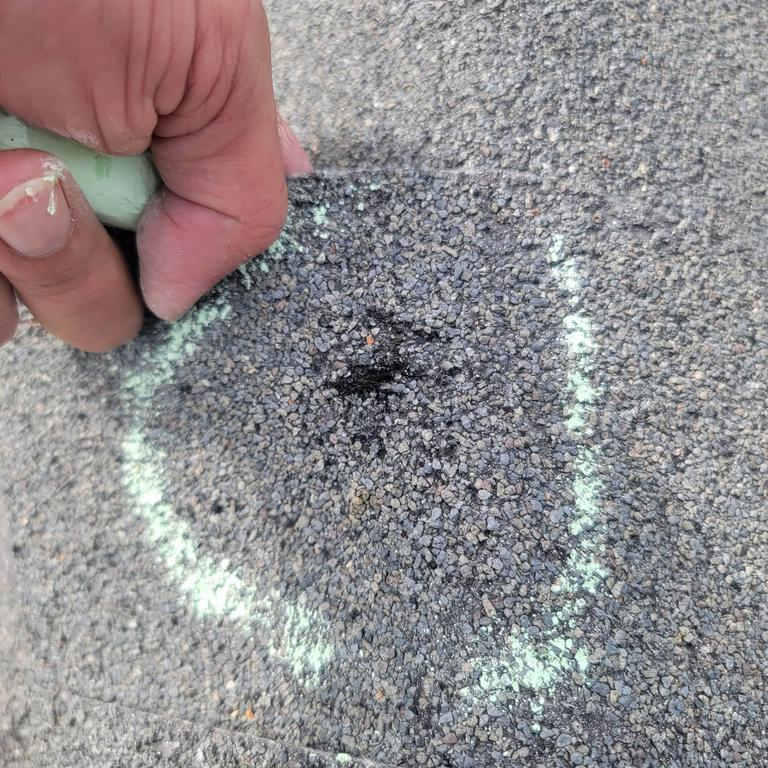
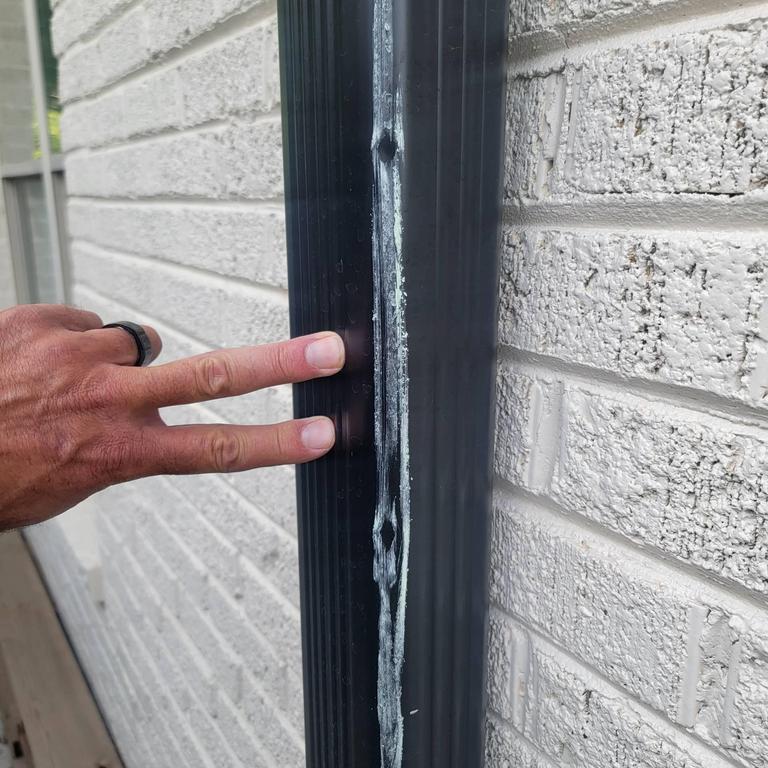
We pair a wider photo that locates the finding with a close-up that shows the detail. For example, a wide shot can place a dent on a particular downspout, while a close-up shows its shape and surface. On a low-slope roof, the same approach can locate an open seam relative to a drain, wall, or rooftop unit.
We record nearby wear and previous repairs separately when the evidence allows. The report explains which findings support a repair recommendation and which areas need a closer look. See an example of labeled roof photos in a condition report.
EXPERIENCE ACROSS ROOF SYSTEMS
RESIDENTIAL ROOFS
Slate, clay tile, metal, copper details, and composition shingles require material-specific evaluation. A broken slate, failed flashing, or missing shingle does not automatically mean a complete replacement.
COMMERCIAL ROOFS
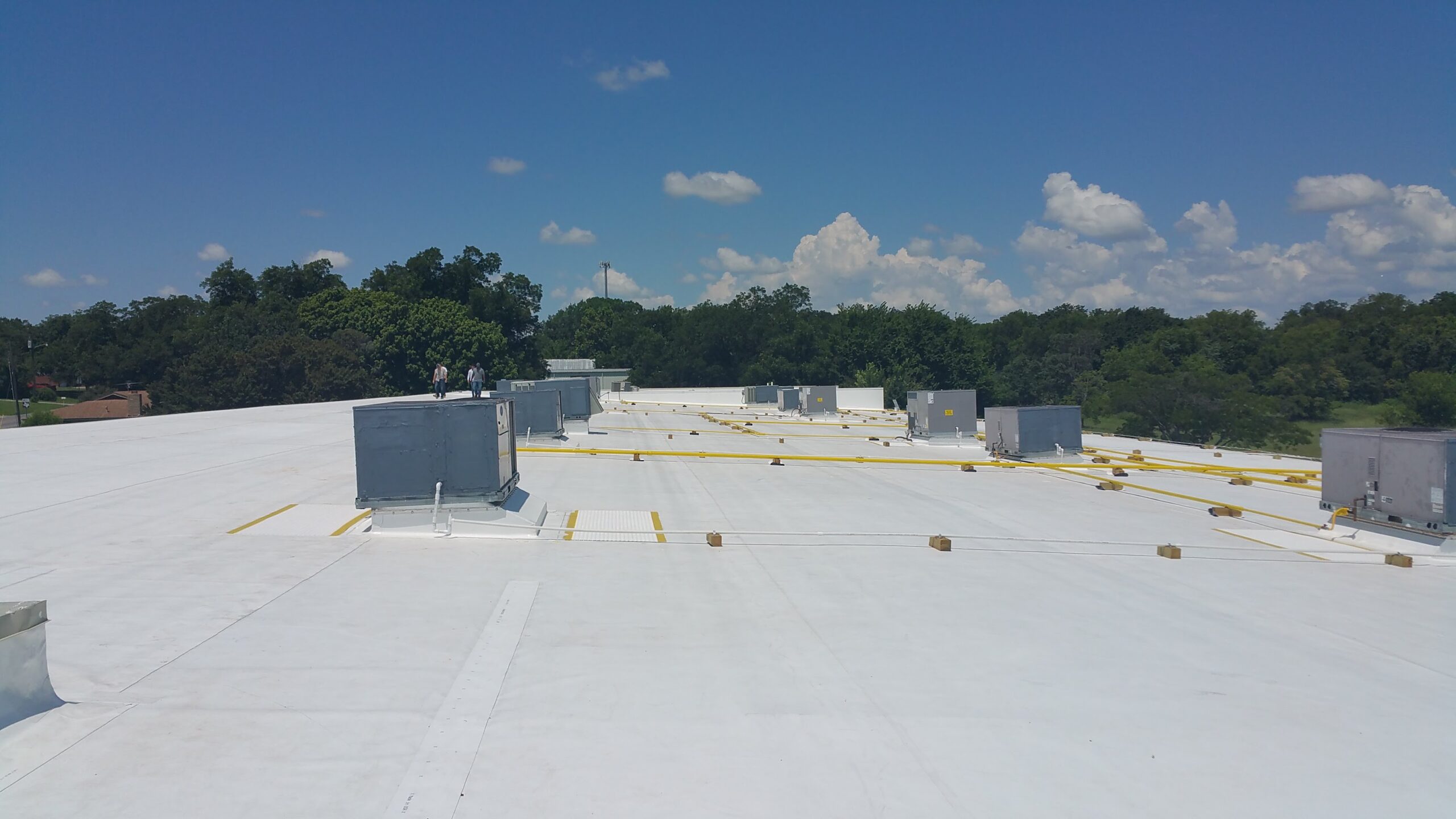
Low-slope membranes, seams, perimeter metal, rooftop components, and drains all deserve attention. We help property managers separate urgent repairs from planned corrective work.
BEFORE A TARP GOES ON
Ask for photos before anyone covers the roof. In Texas, the policyholder has the initial burden of showing that a loss is covered under the policy. Velco takes wide photos that locate affected areas, close-ups that show the damage, and notes that tie each finding to its location. That record gives the adjuster a view of what’s beneath the cover and may reduce the need to lift it. The insurer may still need to inspect the area directly.
Protect the roof from further water entry. Ask how the cover will be secured and how the installer will avoid unnecessary damage to the surrounding roof. Extra holes or damage from installation or removal can create repair costs you may have to pay if your policy does not cover them. Keep the photos, work description, and receipts, and contact your insurer before permanent repairs.
Texas Department of Insurance guidance on storm claims and temporary repairs
STORM DAMAGE QUESTIONS
Yes, if hail or strong winds reached your property, a qualified roofer can check areas you can’t see from the ground, such as upper slopes, flashings, and roof penetrations. A roof can have storm damage before you notice a leak indoors. Velco’s Roof Condition Report uses photos and location notes to show what we found and whether repairs, monitoring, or a closer look make sense.
If you’re unsure whether the storm damaged your roof, a prompt visit from a qualified roofing company can help you make an informed decision. Ask for photos, written findings, and a repair estimate if work is needed. Review those findings alongside your wind and hail deductible and policy terms.
If you know your property was damaged, notify your insurer promptly. Check your policy’s notice and filing deadlines, and contact your insurer if you’re unsure what it requires. A roofing visit can happen in parallel with notifying your insurer.
Texas Department of Insurance guidance on home insurance claims
Yes. Velco can document roof conditions, prepare a roofing scope or estimate, and explain the proposed work and supporting technical details to you and your insurer’s adjuster. This helps clarify what the roofing proposal includes and why the work is recommended.
Your insurer evaluates coverage and payment under your policy. Discuss coverage questions with your insurer. A licensed public insurance adjuster can assist with a claim-settlement dispute; an attorney can advise on legal rights.
Texas Department of Insurance guidance on contractor estimates and claims
No. The recommendation depends on the actual damage, material, assembly, and practical repair options.
Yes. Velco records visible damage by roof area, including cracked or displaced slate or tile and affected flashings. On slate, we start with ladder views where access allows and review 4K drone photos and HD video when flight conditions permit. The report documents every area we access and identifies any areas we couldn’t assess.
See how Velco assesses a slate roof while protecting sound tiles.
Call Velco and explain the active leak, property address, affected area, and access arrangements. We will discuss the appropriate response and next steps.
REQUEST A ROOF CONDITION REPORT
What to include. Share the property address, when the storm hit, and where you noticed damage or water. If water is entering now, use the call button below.
What happens next. Velco typically makes an initial response within 1–2 hours to confirm your request and explain the next step. If a visit is needed, we confirm timing based on roof access, scope and weather. The report pairs photos with written findings and explains whether the roof needs repair, monitoring, or further investigation.