
Commercial Roof Leak Request Checklist for DFW Property Managers
By Erik Larsen, Velco Roofing · November 21, 2026 · Commercial Roof Care
When a tenant reports water entering a building, the first useful handoff is a clear record of the location, timing, current conditions and access. Send the property address, affected suite, whether water is entering now, photographs taken from a safe location, and the person who can arrange access and authorize work.
This checklist helps managers of occupied retail, office and stand-alone commercial properties prepare a useful service request. It does not replace an on-site evaluation or establish the source of a leak.
1. Identify the building and affected space
Include the property name, street address, suite or unit number and a site contact with a callback number. Describe the interior location using landmarks someone else can find: a room, corridor, ceiling area or tenant space. If several spaces are affected, label each separately rather than combining them into one general description.
State whether the building is occupied and whether the affected area has operational restrictions. Keep tenant contact information and interior photographs in the service request rather than posting them publicly.
2. Describe when water appeared
Say when the problem was first noticed, whether water is entering now, and whether the same location has leaked before. Include any known relationship to a recent storm, earlier repair or rooftop equipment work as an observation. Avoid treating timing alone as proof of a particular cause.
A dated description gives the contractor context. A visible ceiling stain identifies where symptoms appeared; it does not by itself locate the roof entry point or determine whether the roof needs replacement.
3. Send photographs and earlier records
Provide a wide view showing the affected space and closer views of visible symptoms, taken only where safe. Label photographs by suite or room and date. Include available Roof Condition Reports, earlier repair descriptions and relevant roof or equipment records so the visit can build on what is already known.
If temporary work has already occurred, ask the provider to record the condition before work, what was done and the materials used. Keep those records for follow-up. Temporary mitigation does not establish that the underlying cause has been fully resolved.
4. Arrange access and approval before the visit
Identify who will meet the contractor, how roof access is arranged, permitted work hours, tenant notification requirements and who can approve the proposed work. Send access instructions privately. Do not climb onto the roof just to complete this checklist; arrange roof access through an experienced contractor.
Clarify the report recipient and the approval process for diagnostic work, temporary measures and subsequent repairs. Ask what scope and any applicable fee will be agreed before the visit. A request to evaluate a leak is not blanket approval for a reroof.
Copy this service-request outline
Subject: Roof leak request — [property / suite]
- Property: name, address and affected suite or room.
- Current condition: entering now or previously observed; first noticed date/time.
- History: earlier leaks, repairs or equipment work, if known.
- Attachments: safely obtained, labeled photographs and available reports.
- Coordination: site contact, callback number, access arrangements and operating restrictions.
- Decision: report recipient and person authorized to approve the scope.
Keep observations separate from assumptions. If the roof material or age is unknown, say so; a guessed roof system can make the handoff less useful.
Why occupied-building details matter
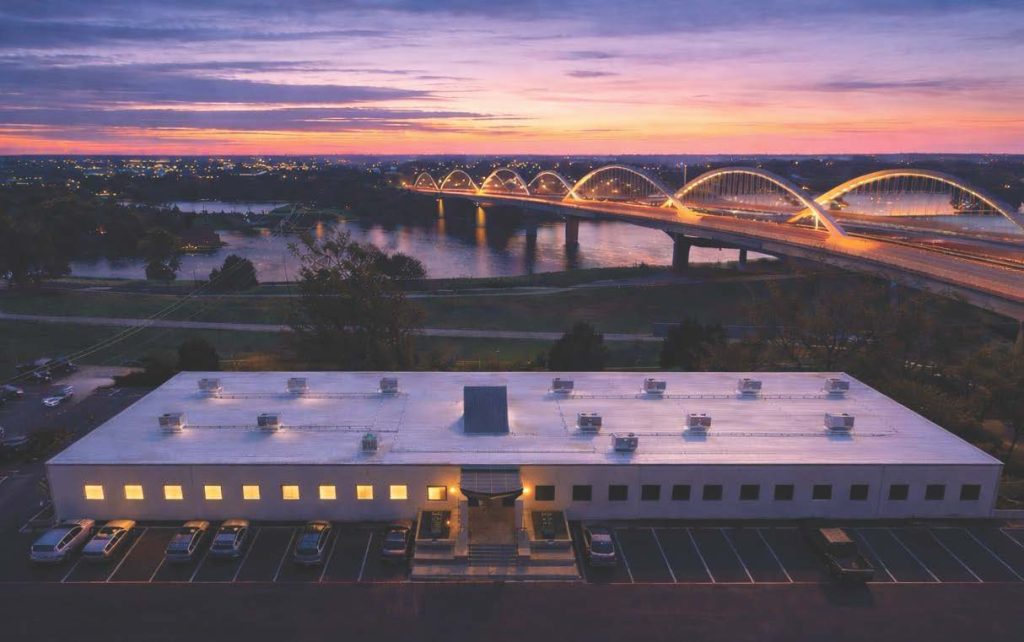
At The Woodmont Company headquarters in Fort Worth, roof leaks had deteriorated portions of the existing gypsum deck. Velco replaced damaged panels one at a time and coordinated roofing, HVAC, electrical and plumbing work while the office stayed open during normal business hours. That project illustrates why access and tenant operations belong in the work plan, alongside the roof assembly.
It does not mean every leak needs deck replacement or the same roof system. The documented condition of your building determines the next recommendation.
Turn the request into a documented next step
After evaluation, ask for findings organized by roof area, photographs, recommended action and any unresolved access or testing limitations. Keep urgent corrective work separate from items to monitor and future budget work. Use the commercial roof asset-planning guide for the longer-term record and repair, recover and replacement comparison when a larger scope is proposed.
Velco’s commercial Roof Condition Report scope is tailored to the property. Initial response is typically within 1–2 hours; visit timing is confirmed around access, scope and weather. For an active leak, call 817-807-0775 and state that water is entering now.